



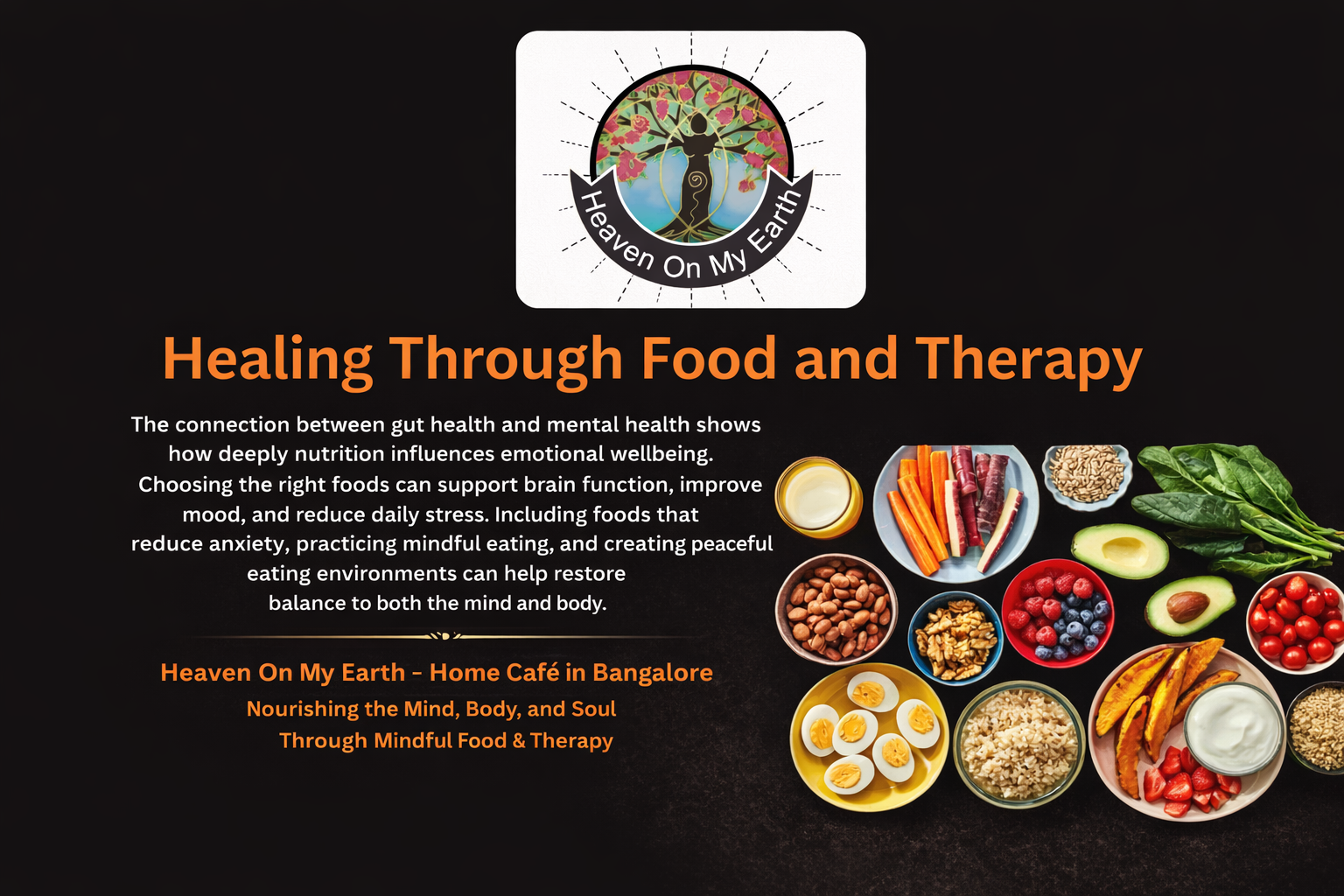
Mental health challenges such as stress, anxiety, and emotional fatigue are becoming increasingly common in modern lifestyles. Many people are now looking for natural and sustainable ways to restore emotional balance and inner peace. This is where Healing Through Food and Therapy becomes a powerful approach—combining professional mental health support with healthy food for mental health that helps restore both emotional and physical well-being.
While therapy helps individuals process emotions and build healthier coping mechanisms, food plays an equally important role in supporting brain function and mood stability. When both are integrated, they create a holistic path toward healing and long-term wellness.
At Heaven on my earth, we believe that true wellness comes from nurturing both the mind and the body. By combining emotional awareness, mindful eating, and supportive environments, healing becomes a balanced and meaningful journey.
The Connection Between Food and Mental Health
What you eat directly affects how you feel. The brain requires specific nutrients to regulate mood, manage stress, and maintain cognitive performance. A poor diet can contribute to fatigue, irritability, anxiety, and even symptoms of depression.
Important nutrients that support mental health include:
- Omega-3 Fatty Acids
Omega-3 fatty acids support brain function and help reduce inflammation that may affect mood and cognitive health.
- Magnesium
Magnesium plays a key role in relaxing the nervous system and reducing stress levels.
- Vitamin B Complex
B vitamins help maintain energy levels and support emotional balance by assisting brain function.
- Probiotics
Probiotics improve gut health, strengthening the connection between gut health and mental health through the gut-brain axis.
The gut is often called the “second brain.” Nearly 90% of serotonin, the hormone responsible for happiness and emotional stability, is produced in the gut. This is why balanced nutrition is a fundamental part of Healing Through Food and Therapy.
Therapy: Healing the Emotional Mind
While nutrition supports the body and brain, therapy focuses on emotional healing and self-understanding. Professional therapy helps individuals develop the tools needed to manage life’s challenges more effectively.
Therapy can help people:
- Identify emotional triggers
- Develop healthy coping mechanisms
- Process trauma or unresolved experiences
- Build self-awareness and emotional intelligence
- Strengthen self-compassion and resilience
When therapy is combined with supportive lifestyle habits, including healthy eating, the healing process becomes more effective and sustainable.
The philosophy behind Healing Through Food and Therapy emphasizes that emotional well-being improves when both psychological and physical health are addressed together.
How Mindful Eating Supports Emotional Healing
Mindful eating goes beyond simply choosing healthy foods. It involves paying attention to the experience of eating—being aware of hunger cues, food textures, flavors, and emotional responses to meals.
Practicing mindful eating helps individuals build a healthier relationship with food and supports the principles of Healing Through Food and Therapy.
Benefits of mindful eating include:
- Reducing emotional and stress-related eating
- Improving digestion and nutrient absorption
- Increasing awareness of hunger and fullness signals
- Creating a deeper appreciation for meals
Creating calm environments to enjoy meals can also enhance the experience. Relaxing spaces such as a Home Cafe in Bangalore offer a peaceful atmosphere where food becomes more than nourishment—it becomes a moment of comfort and reflection.
Healing Through Food and Therapy: Foods That Reduce Anxiety and Support Emotional Balance
Certain foods naturally help regulate mood, support brain function, and reduce stress. Including these foods in daily meals can significantly support emotional well-being.
1. Mood-Boosting Fruits
Fruits rich in antioxidants protect brain cells from oxidative stress. Berries, bananas, and citrus fruits help increase serotonin production and support emotional balance.
These fruits also provide essential vitamins that improve energy levels and overall mental clarity.
2. Whole Grains for Stable Energy
Whole grains such as oats, quinoa, and brown rice provide slow-releasing carbohydrates that stabilize blood sugar levels.
Balanced blood sugar helps prevent sudden mood swings, fatigue, and irritability—making whole grains an important part of Healing Through Food and Therapy.
3. Comforting Herbal Drinks
Herbal teas like chamomile, ginger, and lavender have calming effects on the nervous system.
They can help reduce anxiety, improve sleep quality, and create a soothing daily routine that supports emotional healing.
Creating a Healing Food Environment
Healing through food is not only about ingredients—it is also about environment and experience.
A peaceful dining environment can:
- Lower stress levels
- Encourage mindful eating habits
- Improve digestion
- Create emotional comfort
Spaces that combine warmth, calm music, and thoughtfully prepared meals—like a Home Cafe in Bangalore—create nurturing environments where food becomes part of emotional therapy.
These environments allow individuals to slow down, reconnect with themselves, and fully enjoy the healing power of food.
Simple Daily Habits for Healing
Incorporating small lifestyle habits can make Healing Through Food and Therapy a natural part of everyday life.
Start your day with balanced nutrition.
Start your day with a balanced diet. Eat protein, whole grains, and healthy fats for breakfast.
Be grateful before eating.
Take a moment to appreciate your food before eating! This helps create a positive emotional connection with food.
Avoid stress eating.
Never stress-eat in any situation. Identify emotional triggers and adopt healthy coping strategies.
Stay hydrated.
Even mild dehydration can negatively impact your mood, focus, and energy levels. So stay hydrated.
Reflect during quiet moments during meals.
Use quiet mealtimes to relax, journal, or reflect on personal growth.
Why Healing Requires a Holistic Approach
Mental health recovery rarely comes from a single solution. Instead, lasting wellbeing requires a balanced approach that includes emotional care, healthy nutrition, supportive environments, and self-awareness.
The philosophy of Healing Through Food and Therapy focuses on treating the mind and body as interconnected systems rather than addressing mental health challenges in isolation.
When individuals prioritize both emotional and nutritional well-being, they often experience:
- Greater emotional stability
- Increased daily energy
- Better sleep quality
- Improved resilience to stress
Over time, healing becomes more than a temporary solution—it becomes a healthy lifestyle.
Conclusion
Healing Through Food & Therapy is much more than just a wellness trend. It’s a holistic lifestyle that encourages mental clarity, emotional stability, and an enhanced sense of overall wellness. By utilizing nutritious meals prepared with mindfulness, along with professional therapy, individuals can create pathways to lasting emotional health and mental wellness. At Heaven On My Earth, we believe that food should feed the body as well as the soul. When a meal is prepared with thoughtfulness and consumed in a nurturing environment, it becomes an integral part of the individual’s journey toward health and healing. Can you begin to see the connection between food, comfort, and emotional well-being? Explore the warmth and nurturing atmosphere of Heaven On My Earth and experience the soothing charm of a Home Café in Bangalore, India, where every meal you eat nourishes your heart while also rejuvenating your mind.
Ready to experience the connection between food, comfort, and emotional wellness?
Explore warm and nurturing spaces through Heaven on my earth and discover the peaceful charm of a Home Cafe in Bangalore, where every meal supports both the heart and the mind.
Book Now Your Therapy Session with Heaven on my Earth – Home Cafe in Bangalore
FAQs
1. Can food really affect mental health?
Yes. Nutrients influence brain chemistry, hormone production, and gut health, all of which play a major role in mood and emotional well-being.
2. What foods help reduce anxiety?
Foods rich in magnesium, omega-3 fatty acids, and probiotics—such as leafy greens, nuts, fatty fish, and yogurt—can help reduce anxiety.
3. How does mindful eating help emotional healing?
Mindful eating helps people recognize emotional triggers and develop a healthier relationship with food.
4. Why is the gut called the second brain?
The gut contains millions of neurons and produces neurotransmitters like serotonin that directly influence mood and mental health.
5. Can the environment influence emotional eating?
Yes. Calm and comfortable environments encourage mindful eating and reduce stress-driven food habits.
