


In a fast-moving city like Bangalore, irregular eating habits, work pressure, digestive issues, and lifestyle disorders have quietly become the norm. Most modern diets focus on trends rather than people — what’s popular instead of what’s personal.
Ayurveda offers a different approach.
It asks one essential question: What does your body actually need?
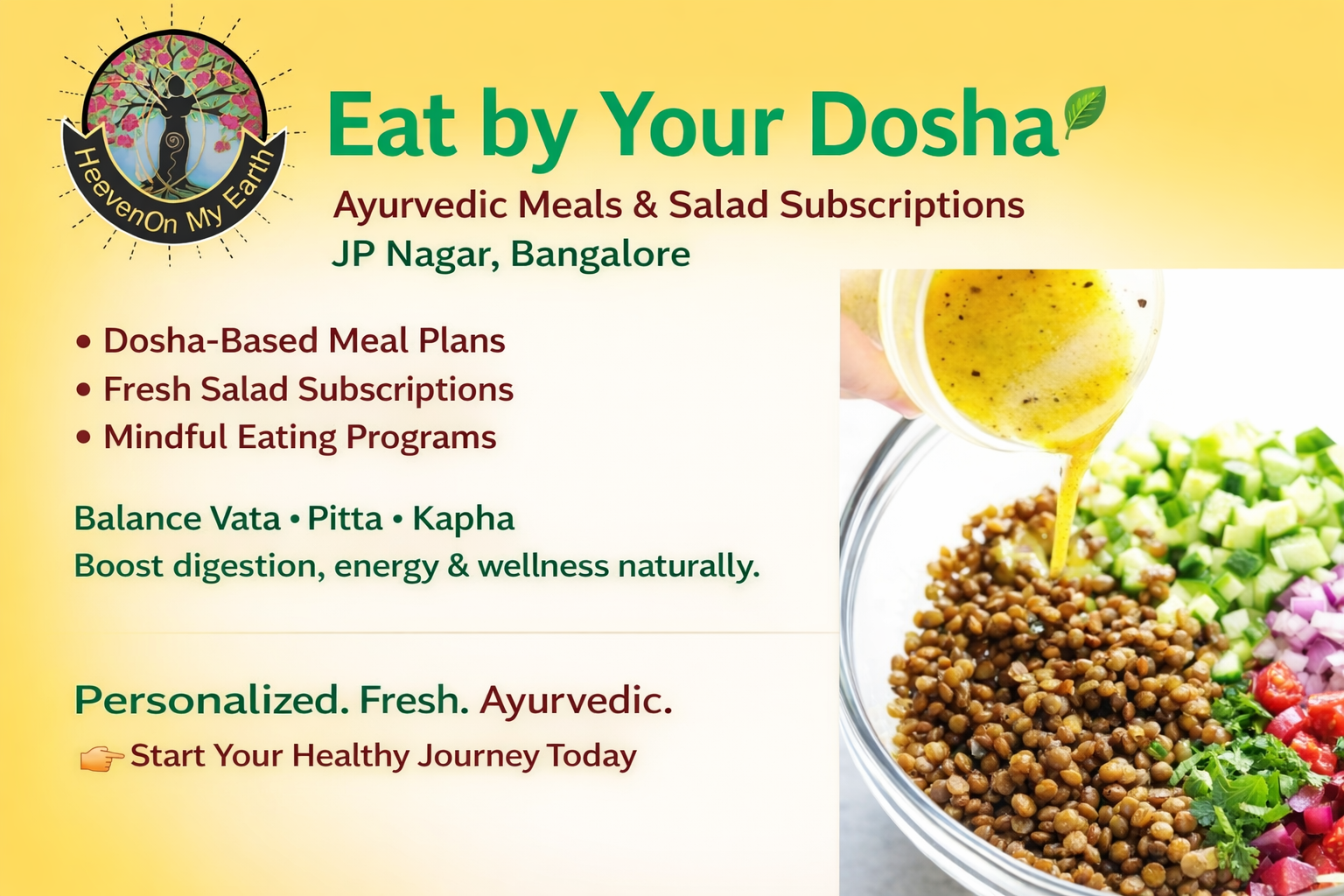
At H.O.M.E. Wellness Café in JP Nagar, ancient Ayurvedic wisdom is brought into everyday life through dosha-based meals, personalised Ayurvedic meal plans, mindful eating programs, and farm-fresh salad subscriptions with delivery options — all designed around individual body types, digestion, and lifestyle rhythms.
What Are Dosha-Based Meals?
Ayurveda identifies three primary doshas — Vata, Pitta, and Kapha — that govern digestion, metabolism, energy, and mental patterns. When food aligns with your dominant dosha, the body digests more efficiently and naturally moves toward balance.
Dosha-based meals focus on:
• Ingredients suited to your digestion
• Cooking methods that support metabolism
• Seasonal, locally sourced produce
• Gentle nourishment instead of restrictive diets
When meals are mismatched to your dosha, it often shows up as bloating, acidity, sluggishness, inflammation, or energy crashes — symptoms many urban lifestyles normalise but don’t have to.
Ayurvedic Meal Plans Designed for Real Life
Ayurvedic eating doesn’t mean rigid routines or complicated cooking.
At H.O.M.E., Ayurvedic meal plans are designed for:
• Working professionals
• Individuals on healing or wellness journeys
• Those managing lifestyle or digestive concerns
• Anyone seeking consistent, conscious nourishment
These plans simplify food choices while maintaining flexibility — making it easier to eat well daily, not occasionally.
Dosha-Based Salads, Subscriptions & Healthy Delivery in JP Nagar
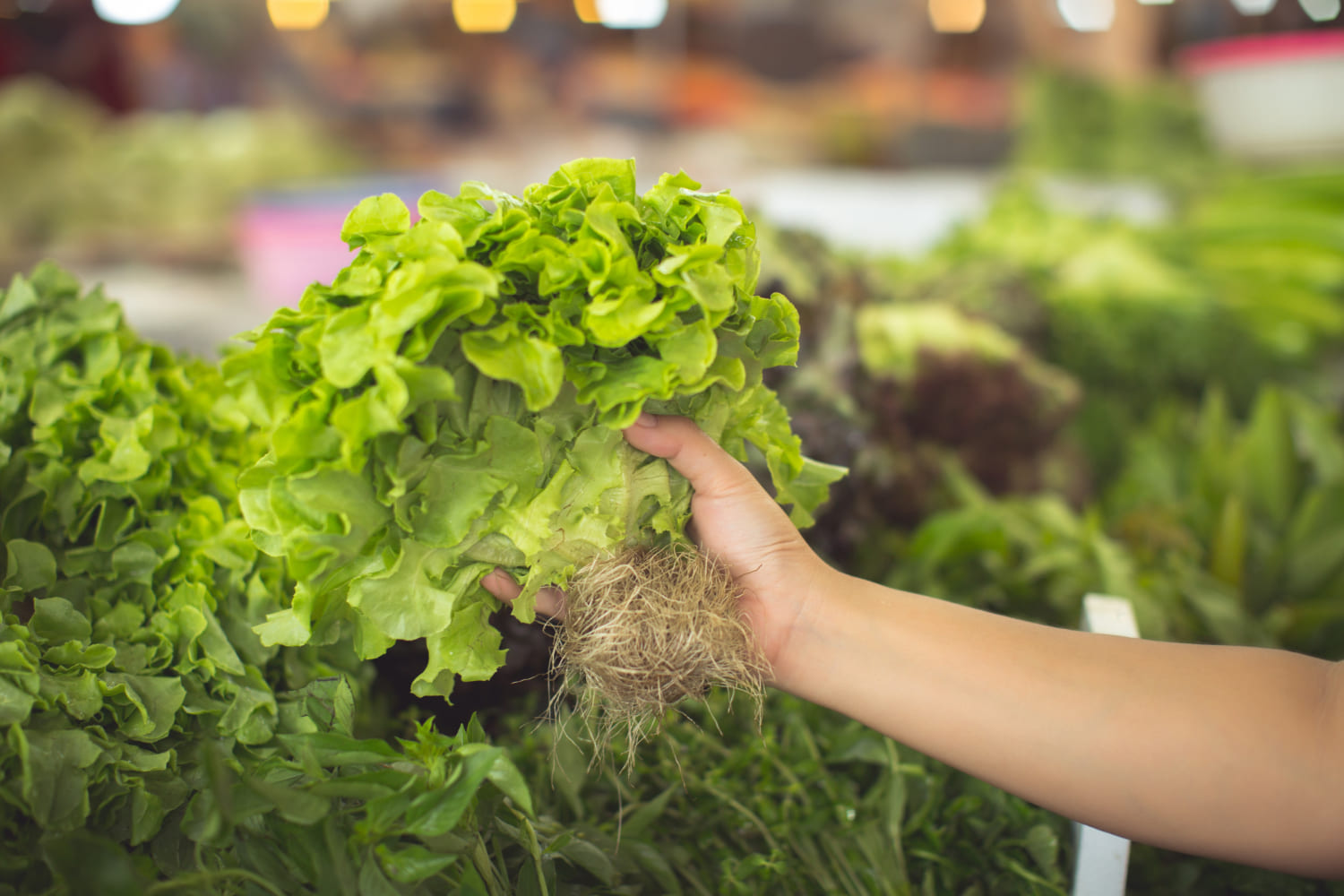
Contrary to popular belief, salads don’t have to be cold, raw, or hard to digest.
At H.O.M.E., dosha-based salads are thoughtfully prepared using:
• Fresh, seasonal vegetables
• Digestive spices and herbs
• House-made dressings aligned with Ayurvedic principles
• Ingredients chosen for balance, not trends
For consistency and convenience, salad subscriptions are available — ideal for busy schedules, clean eating goals, and long-term gut health.
With healthy salad delivery in and around JP Nagar, mindful eating becomes accessible without compromising freshness, intention, or Ayurvedic alignment.
Mindful Eating: The Missing Link in Modern Diets
What you eat matters — but how you eat matters just as much.
Mindful eating programs at H.O.M.E. focus on:
• Slowing down the eating process
• Supporting gut–brain connection
• Reducing stress-related digestive issues
• Rebuilding awareness around hunger and satiety
This approach transforms meals from rushed routines into quiet acts of healing.
Find Your Dosha Before You Choose Your Meal
Everybody is different. Before choosing a meal or subscription, understanding your dosha can make all the difference.
Scan the QR code at the café to discover your Dosha
and receive personalised food and meal guidance — in under 2 minutes.
Your body type. Your food rhythm. Your balance.
This quick dosha check helps guests align their meals, salads, and subscriptions with what truly suits their digestion and energy.
Why Choose a Wellness Café in JP Nagar That Follows Ayurveda?
A true wellness café goes beyond serving food — it supports long-term wellbeing.
H.O.M.E. Wellness Café in JP Nagar brings together:
• Dosha-based meals
• Personalised Ayurvedic meal plans
• Farm-fresh salads and salad subscriptions
• Healthy food delivery options
• Mindful eating practices
All within a space designed to nourish mind, body, and soul.
Start Eating in Alignment With Your Body
If you’re looking to move beyond diet trends and into sustainable wellness, Ayurvedic eating offers a grounded, personalised path.
Scan the QR code at H.O.M.E. Wellness Café
to discover your Dosha, explore meal recommendations,
and choose salads or subscriptions that truly support your body.
Understanding Dosha-Based Eating: An Educational Guide to Ayurvedic Meal Planning and Mindful Nutrition
Modern nutrition often assumes that one ideal diet can work for everyone. Calories, macros, trends, and superfoods dominate conversations around health. Yet, many people continue to experience digestive discomfort, fatigue, inflammation, and lifestyle-related imbalances despite “eating right.”
Ayurveda, one of the world’s oldest systems of medicine, offers a fundamentally different perspective. Instead of asking what to eat, it asks who is eating.
The Ayurvedic View of the Human Body
According to Ayurveda, every individual is born with a unique constitution, or Prakriti, formed by the balance of three biological energies known as doshas:
• Vata (air + space): governs movement, circulation, nervous system activity
• Pitta (fire + water): governs digestion, metabolism, heat, and transformation
• Kapha (earth + water): governs structure, stability, immunity, and lubrication
Most people have one dominant dosha or a combination of two. Health, in Ayurvedic terms, is the state in which these doshas remain in balance. Imbalance arises when lifestyle, stress, climate, or food choices disturb this natural equilibrium.
Why Diet Is Central in Ayurveda
Ayurveda places food at the center of health because digestion (Agni) determines how well nutrients are absorbed, and toxins (Ama) are eliminated.
Unlike modern nutrition, Ayurvedic diet principles consider:
• Digestive strength, not just nutrient content
• Food combinations and cooking methods
• Seasonal and environmental factors
• Mental and emotional state while eating
A food that nourishes one person may burden another — even if it is considered “healthy.”
The Role of Salads in Ayurvedic Nutrition
In Ayurveda, salads are not automatically considered healthy. Raw, cold foods can weaken digestion if not adapted correctly.
When prepared thoughtfully, however, salads can become supportive rather than disruptive. Ayurvedically aligned salads consider:
• Seasonal vegetables rather than year-round raw foods
• Digestive spices and herbs
• Warm or room-temperature components
• Dressings that enhance absorption rather than suppress digestion
This reframing allows salads to function as nourishment instead of stressors to the gut.
Mindful Eating as a Therapeutic Practice
Ayurveda recognises that digestion begins in the mind.
Mindful eating involves:
• Eating without distraction
• Observing hunger and satiety signals
• Chewing thoroughly
• Eating in a calm emotional state
Scientific research increasingly supports this approach, linking mindful eating to improved digestion, reduced stress responses, and better metabolic outcomes.
Urban Lifestyles and Dosha Imbalance
Fast-paced urban environments often aggravate dosha imbalances:
• Irregular schedules disturb Vata
• Competitive, high-pressure settings inflame Pitta
• Sedentary routines increase Kapha
Ayurvedic nutrition offers a stabilising counterbalance by restoring rhythm, warmth, and awareness around food.
Identifying One’s Dosha
Understanding one’s dosha is foundational in Ayurvedic nutrition. Dosha identification typically considers:
• Digestive patterns
• Energy levels
• Emotional tendencies
• Body structure and metabolism
Once identified, dietary and lifestyle choices can be aligned to support balance rather than correction.
A Sustainable Perspective on Eating
Ayurveda does not promote short-term fixes or extreme dietary rules. Its strength lies in sustainability — small, consistent adjustments that respect individual biology.
Dosha-based eating encourages:
• Listening to the body
• Adapting rather than forcing change
• Using food as daily medicine
Conclusion
Dosha-based eating is not a diet trend, but a personalised framework rooted in observation, rhythm, and balance. By aligning meals with individual constitution and practicing mindful nourishment, Ayurveda offers a pathway toward long-term digestive health and overall well-being.
In an age of information overload, this ancient system reminds us of a simple truth: the body already knows — we just need to learn how to listen.
